Welcome to
Whidbey Island

Whidbey Island, stretching between Skagit Bay and the Strait of Juan de Fuca, is one of Washington State’s most diverse and historically rich islands. Known for its sweeping farmland, dramatic bluffs, forested parks, and charming waterfront towns, Whidbey blends Native American heritage, early European settlement, military history, and a strong modern arts and outdoor culture. The island is home to five primary cities and towns: Oak Harbor, Coupeville, Langley, Clinton, and Greenbank—each with its own distinct character.
Oak Harbor
The island’s largest city, sits on the northern end of Whidbey and grew rapidly during World War II with the establishment of Naval Air Station Whidbey Island. Originally inhabited by the Lower Skagit and Snohomish tribes, Oak Harbor transitioned from a farming and logging community into a major military and commercial hub. Today it offers a mix of waterfront parks, retail, and cultural events, reflecting its diverse population.
Coupeville
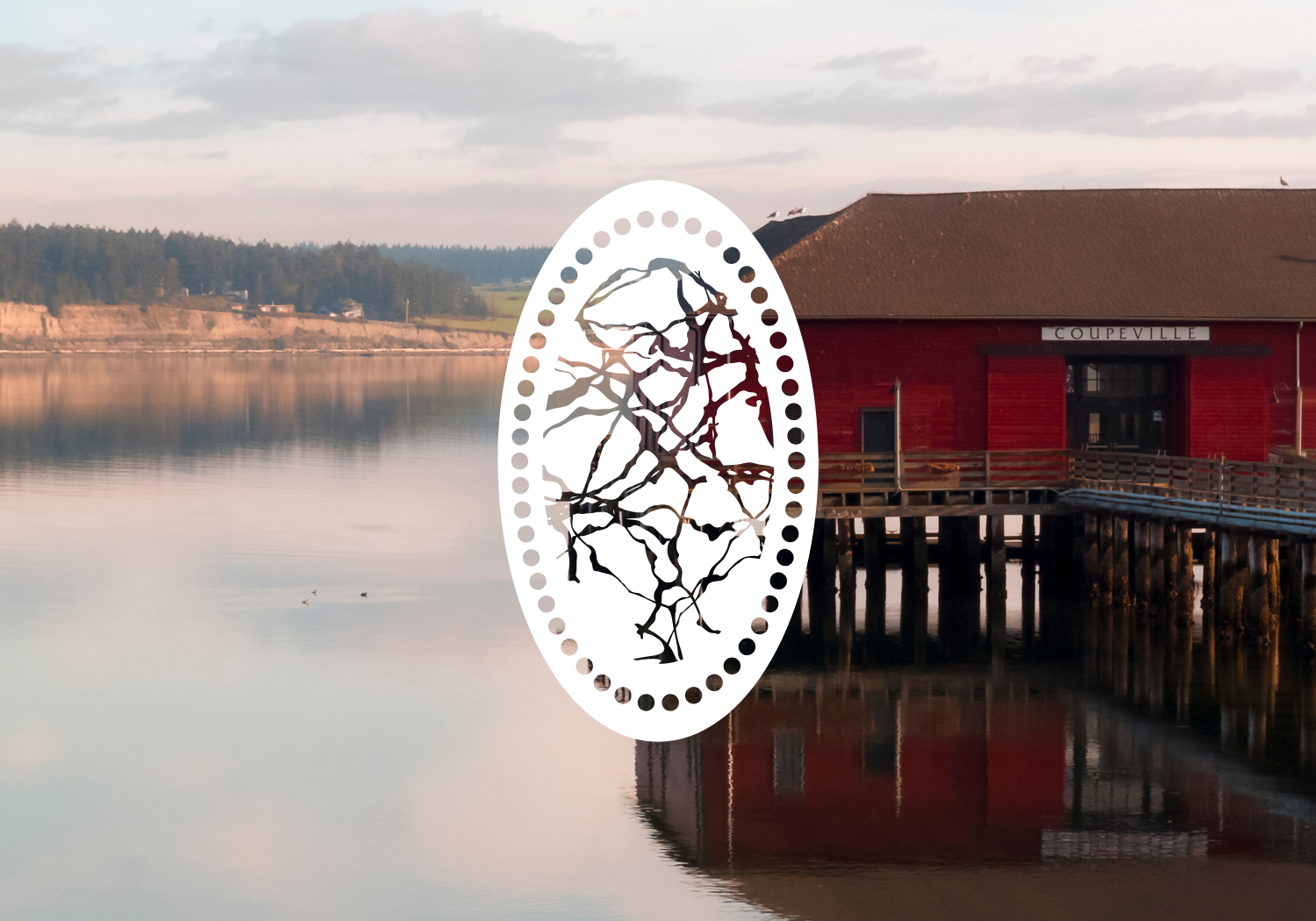
Located centrally on Penn Cove, is one of the oldest towns in Washington State. Founded in the 1850s and named after sea captain Thomas Coupe, it was once a key port and farming center. Coupeville retains its historic charm with preserved 19th-century buildings and serves as the county seat of Island County.
Langley
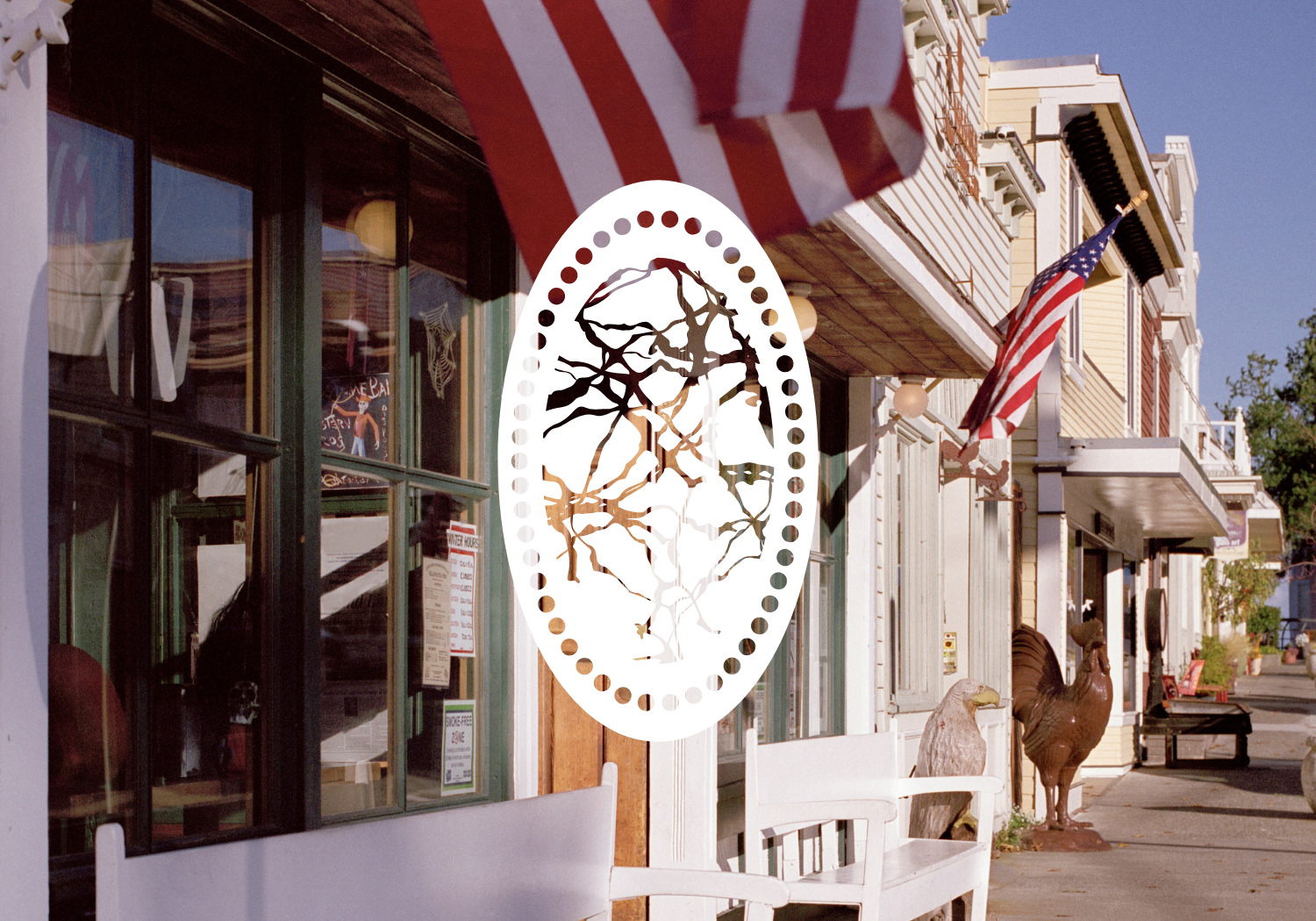
On the southern end of the island, began as a small logging and farming settlement in the late 1800s. Over time it evolved into a vibrant arts village known for galleries, theaters, and waterfront views of Saratoga Passage.
Clinton
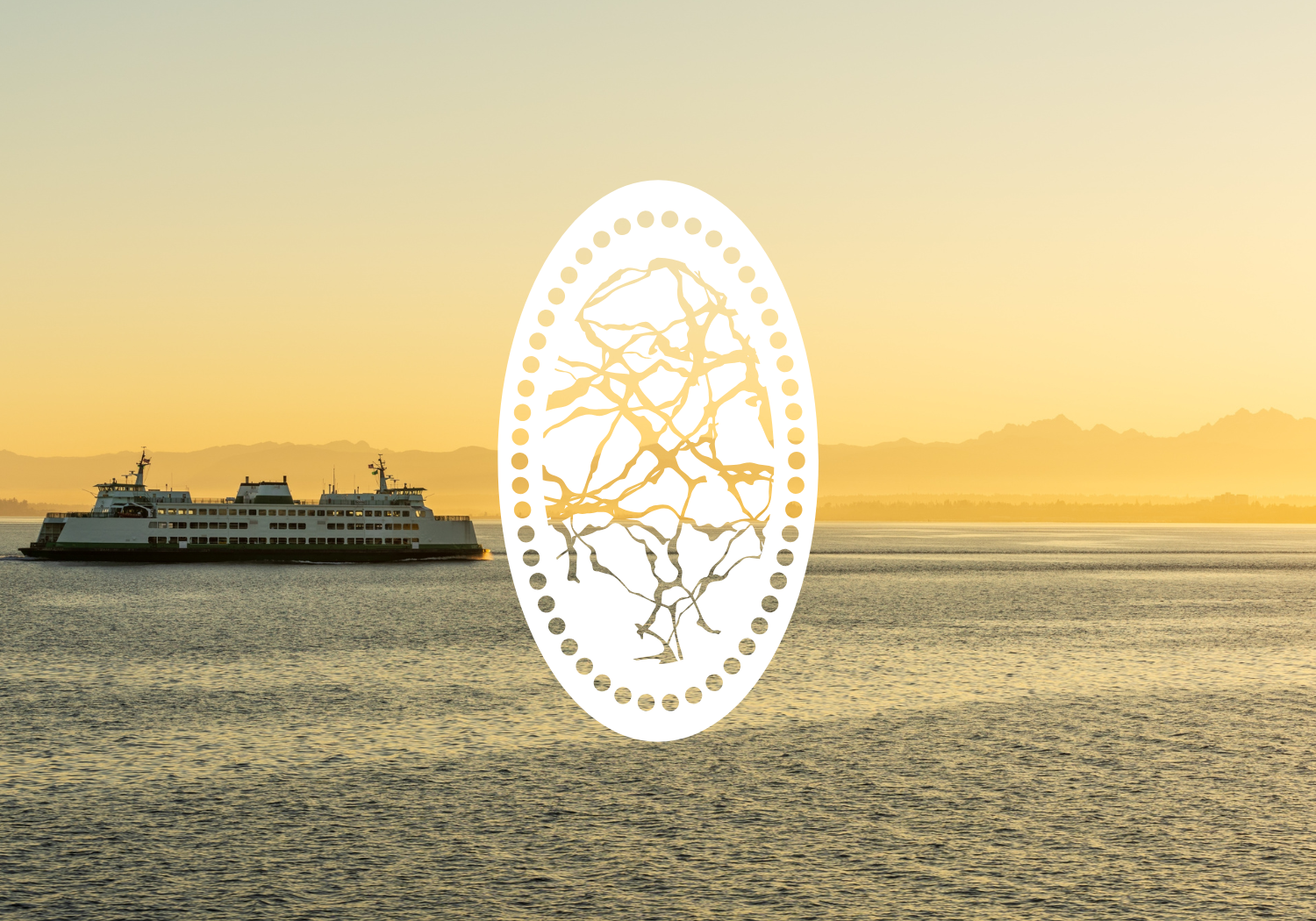
Also on the south end, developed primarily as a transportation gateway and is home to the island’s main ferry terminal connecting Whidbey to Mukilteo. Its growth followed the rise of ferry travel and residential development.
Greenbank
Centrally located, originated as an agricultural community and is still known for its open farmland and historic barns. Today it is celebrated for its scenic beauty and access to outdoor recreation.
Seasonal Events
Whidbey Island hosts a wide variety of seasonal, recurring events and activities throughout the year. Spring brings events like the Whidbey Island Birding Festival and tulip viewing nearby in Skagit Valley. Summer is packed with community favorites such as Coupeville Arts & Crafts Festival, Oak Harbor Music Festival, farmers markets across the island, boating, kayaking, and beachcombing. Fall highlights include Penn Cove MusselFest in Coupeville, celebrating the island’s shellfish heritage, along with harvest festivals and scenic hiking. Winter offers storm watching, holiday parades, artisan markets, and quieter opportunities for wildlife viewing and cozy coastal dining.
Recreational Activities
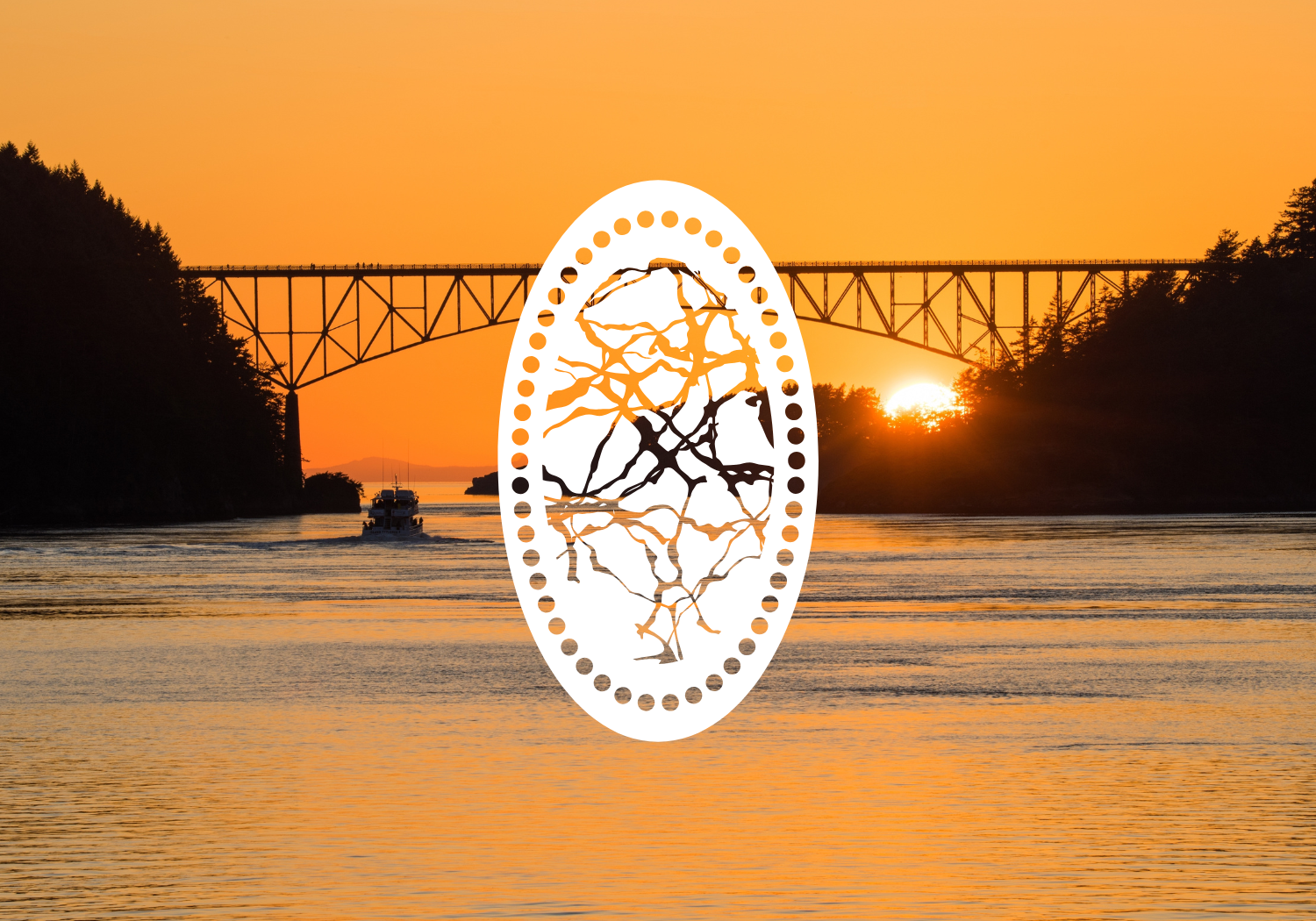
Outdoor recreation is central to island life, with many beloved beaches, parks, and campgrounds. Popular sites include Deception Pass State Park (beaches, hiking, camping, and iconic bridges), Fort Ebey State Park, Fort Casey Historical State Park, Joseph Whidbey State Park, South Whidbey State Park, and Greenbank Farm. Beaches such as Ebey’s Landing, Double Bluff Beach, Joseph Whidbey Beach, and Windjammer Park offer year-round access to shoreline exploration, sunsets, and wildlife. Campgrounds within Deception Pass, Fort Ebey, and South Whidbey State Park provide options for overnight stays immersed in Whidbey’s natural beauty.
Looking to visit Whidbey Island? Be sure to check out the Ferry Routes & Schedules for your visit! Click below for more info!
Together, Whidbey Island’s towns, history, events, and recreational opportunities create a unique coastal lifestyle that continues to attract visitors and residents seeking both community charm and outdoor adventure in the Pacific Northwest.